Queensland is a wonderful place to live outdoors. Long summers, warm winters, and plenty of reasons to gather on the patio. But the same climate that makes outdoor living so appealing is also one of the harshest on outdoor furniture in the world. Intense UV, high humidity, afternoon storms, and months of full sun exposure all take their toll.
The good news is that the right furniture, chosen well and cared for simply, can look just as good in ten or fifteen years as it does the day it arrives. Here's what we tell families who come into our Brisbane showroom looking for furniture that will genuinely last.
What outdoor furniture materials last longest in Queensland conditions?
Material choice is the single most important decision you'll make. Queensland's climate is demanding, and not all materials are equal when it comes to handling heat, UV, and humidity over the long term.
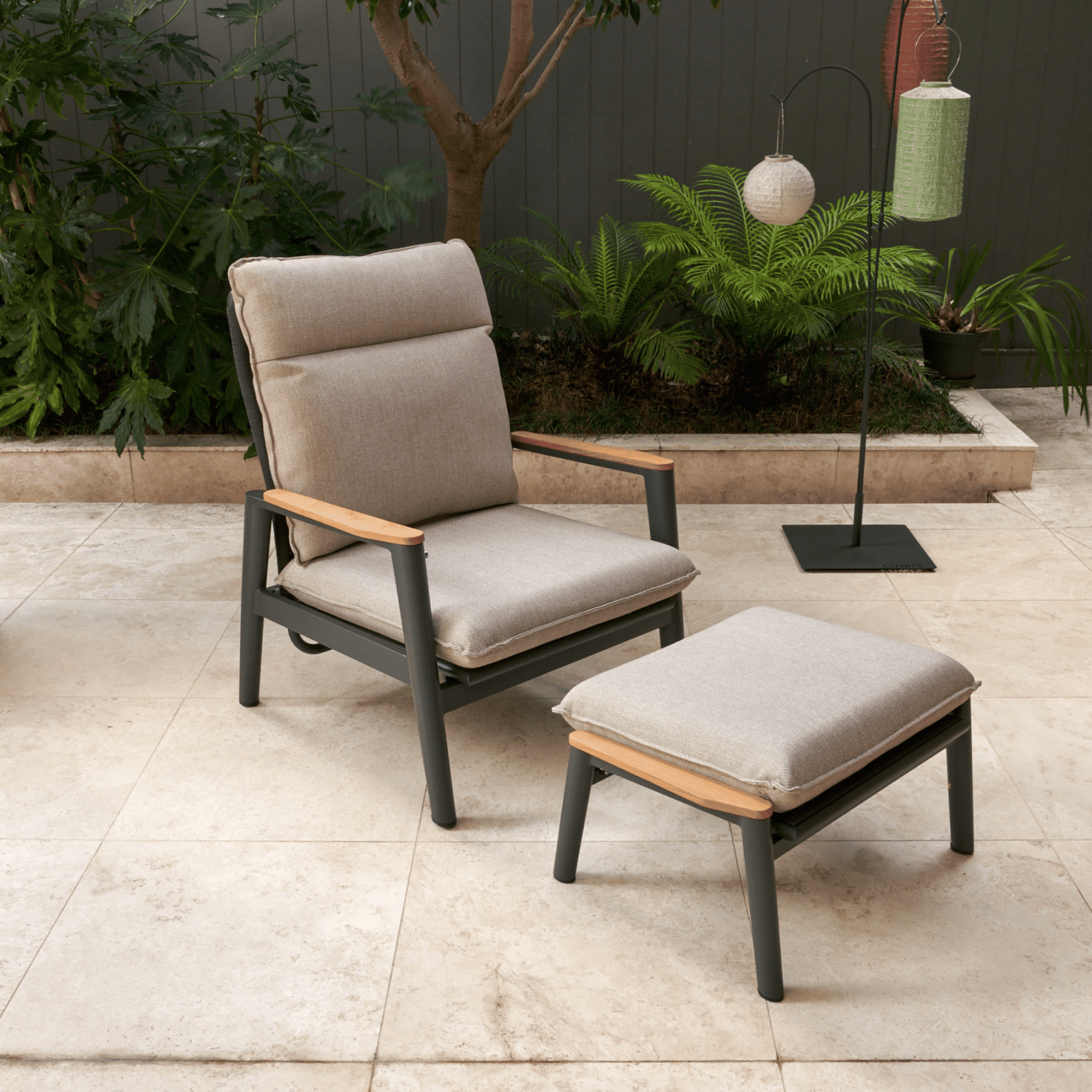
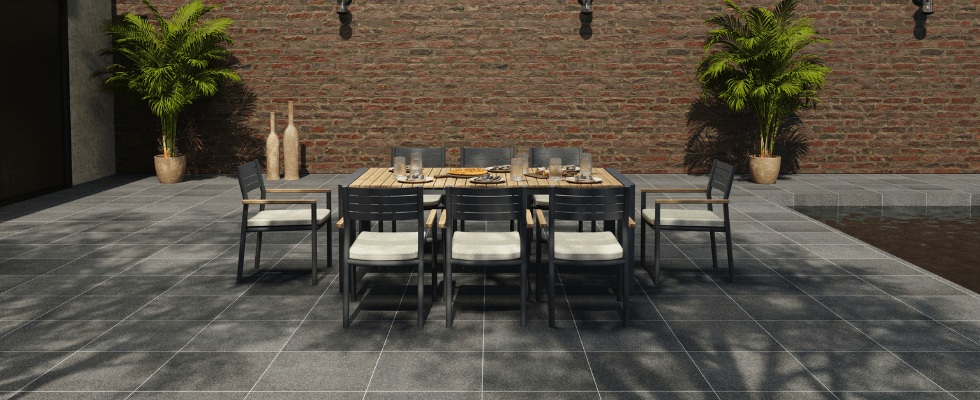
- Teak is one of the best choices for Queensland. It's a hardwood naturally rich in oils that resist UV rays, moisture, and warping. Over time it develops a silver-grey patina, or you can maintain the original honey colour with a teak protector applied once or twice a year. One of the most durable options available for Australian conditions.
- Powder-coated aluminium is lightweight, rust-resistant, and holds its colour well under direct sun. It doesn't absorb heat the way darker metals do, which makes it comfortable to touch even on hot days. Very low maintenance and a practical choice for frames and bases.
- Synthetic wicker handles Queensland conditions well. High-quality UV-stabilised synthetic wicker won't dry out, crack, or fade the way natural rattan does. It has the warmth of a natural material without the upkeep.
- Solution-dyed fabrics like Olefin and Sunbrella have colour woven through the fibre rather than applied to the surface, so they resist fading far better than standard outdoor fabrics. Worth specifying if cushions will be in full sun.
Best outdoor furniture for full sun exposure in Australia
If your outdoor area gets full sun for most of the day, material choice matters even more. Full sun accelerates fading, warping, and surface deterioration on furniture that isn't built for it.
For full sun positions, we recommend:
- Teak or powder-coated aluminium frames, both handle prolonged UV exposure without deteriorating
- Light-coloured furniture where possible. Light colours reflect heat rather than absorbing it, which reduces thermal stress on the material and keeps surfaces more comfortable to touch
- Solution-dyed cushion fabrics, which hold their colour significantly longer than standard fabrics in direct sun
- A shade solution positioned over the setting. Even partial shade during the hottest part of the day makes a meaningful difference to how long your furniture lasts

Good outdoor furniture for Australian climate: what should you get?
The honest answer is that the best furniture for the Australian climate is furniture that suits how you actually use your outdoor space, made from materials that are built for the conditions. A few things worth thinking about before you buy:
- How much sun does your space get? A fully exposed north-facing patio needs different furniture to a covered alfresco area or a shaded courtyard.
- How close are you to the coast? Salt air is harder on metals and fabrics than inland conditions. If you're near the water, powder-coated aluminium and synthetic wicker are safer choices than bare steel or natural timber.
- How much maintenance are you willing to do? Teak rewards a little care with exceptional longevity. Aluminium and synthetic wicker need almost nothing. Be honest with yourself about what you'll actually keep up with.
- Do you want flexibility? Modular settings let you reconfigure for different occasions. Fixed settings tend to have a more settled, cohesive look.
If you're not sure, come into the showroom at Macgregor, Brisbane. We're happy to talk through your space and point you toward furniture that will genuinely suit it.
How to protect outdoor furniture from sun damage
Even the best outdoor furniture benefits from a little protection. The Australian sun is one of the harshest in the world, and UV rays work quietly, even on overcast days. A few simple habits make a real difference over time.
Use protective covers
A good cover is one of the easiest ways to protect outdoor furniture from sun damage, especially during periods when you're not using the space. Look for breathable, weather-resistant covers rather than fully sealed plastic ones. Breathable fabric lets moisture escape, which prevents mould and condensation building up underneath.

Think about where you position your furniture
Where you place your furniture has a bigger impact than most people realise. Full sun all day accelerates fading and heat stress, while a little shade goes a long way toward protecting your investment. Consider positioning your setting:
- Under a pergola, gazebo, or covered alfresco area for year-round protection
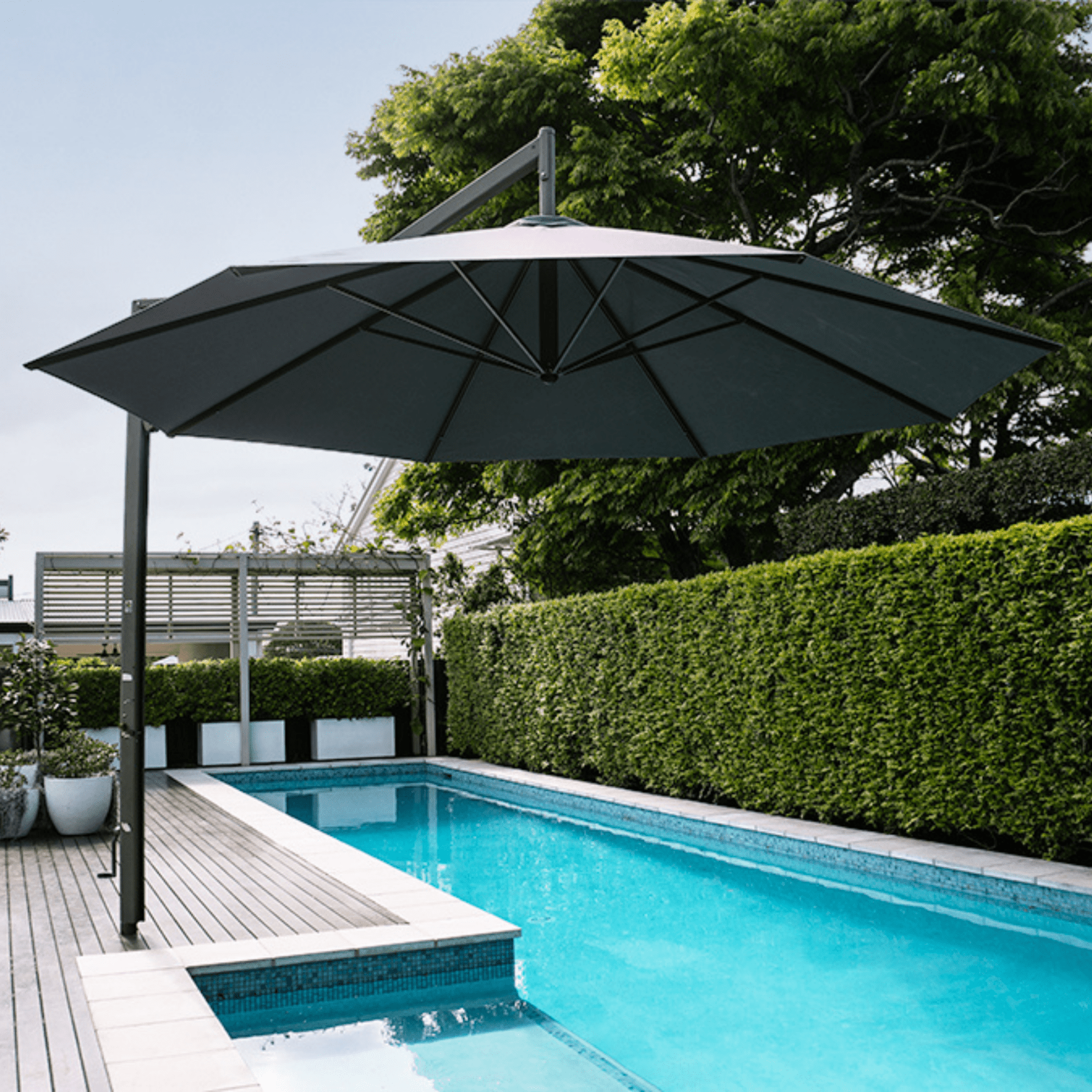
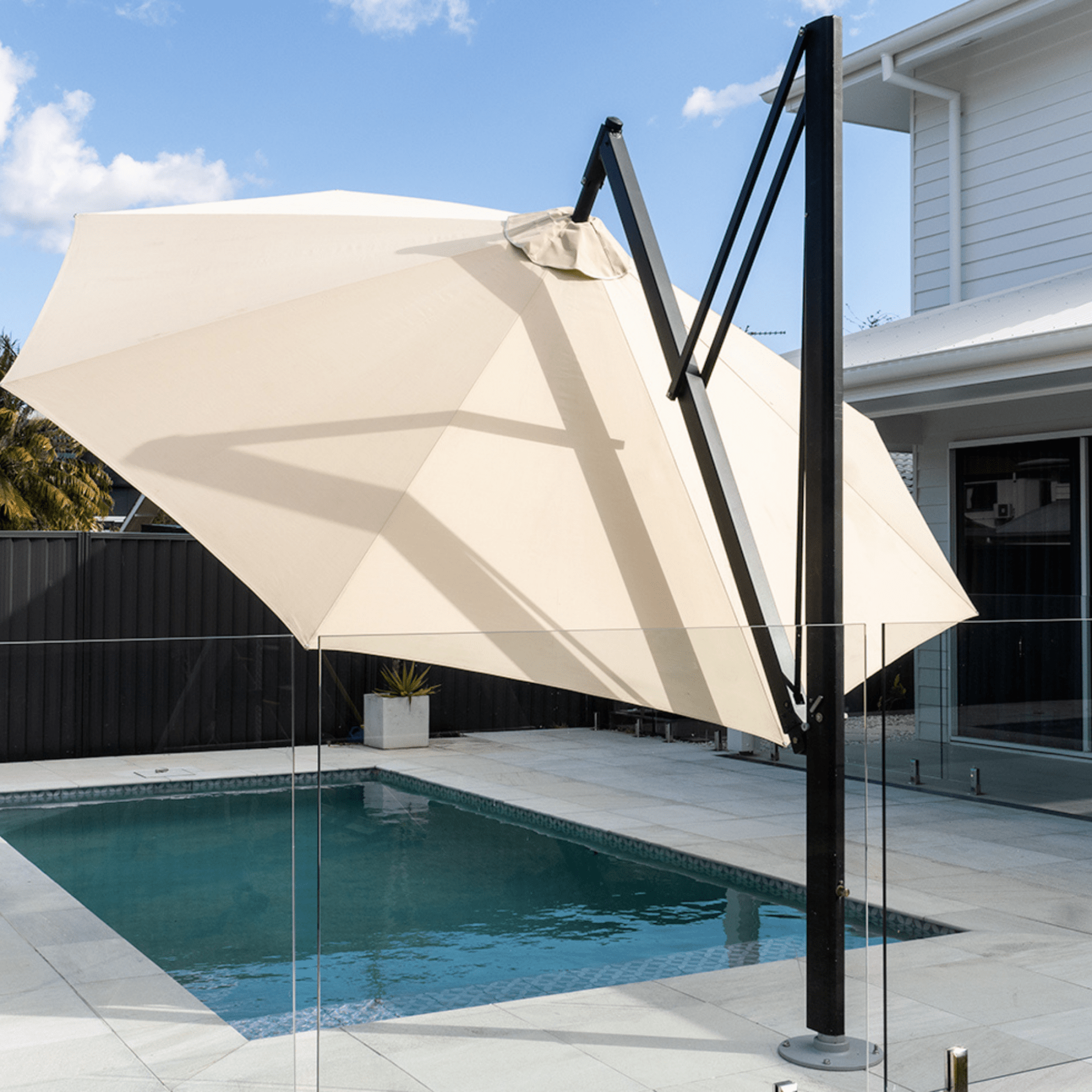
- Beneath a large umbrella or shade sail for flexible, adjustable coverage
- Near established trees or greenery that provide natural, cooling shade
If your furniture is fully exposed, rotating pieces occasionally helps prevent one side from fading faster than the other.

Apply the right treatments for your material
Even the best outdoor furniture benefits from a little seasonal care. The key is using the right product for the right material.
- Teak: Clean the surface first, then apply a teak protector once or twice a year to maintain the warm golden colour and protect against UV damage. If you prefer the natural silver-grey patina, teak will weather gracefully either way.
- Powder-coated aluminium: The powder coating itself is what protects the frame. Check periodically for chips or scratches and touch up any nicks, particularly important near the coast where salt air can work into exposed areas.
- Synthetic wicker: A gentle clean each season is usually all it needs. Avoid harsh chemicals or high-pressure hoses, which can damage the weave.
- Cushions and fabrics: A fabric protector spray adds an extra barrier against sun and moisture, particularly useful for cushions that live outside full time.
Use shade during the day, not just storage
In Queensland, summer is peak outdoor living season. The better approach is to manage sun exposure while you're using the space, not avoid it altogether. A well-positioned outdoor umbrella does double duty: it keeps you and your guests comfortable during the hottest part of the day, and it significantly reduces the UV load on your furniture at the same time.
A few other habits worth building:
- Bring cushions inside overnight or during heavy rain. Even UV-stable fabrics last longer with a little less exposure.
- If you're heading away for a few weeks, a breathable cover over the whole setting is worth the two minutes it takes.
- Rotate chairs and occasional pieces occasionally so all pieces age evenly, rather than one spot taking the full brunt of the afternoon sun.

What about commercial and hospitality settings?
For cafes, restaurants, and hospitality venues, furniture takes a far greater beating from the sun than a typical backyard setting. Chairs are left out all day, every day, often with no shade cover. In these environments, material choice isn't just about aesthetics, it's about longevity.
Commercial-grade resin chairs are one of the best options for high-exposure hospitality use. UV-stabilised resin is engineered to resist fading and brittleness under constant sun exposure, light colours reflect heat rather than absorbing it, and stackable designs make end-of-day storage easy. Browse our commercial-grade outdoor dining chairs, all selected for their ability to handle the Australian sun day after day.

Come and see us in Brisbane
Furniture that's well chosen and simply cared for can last 15 to 20 years, even in Queensland's demanding climate. The right materials, a bit of shade, and some simple seasonal maintenance are usually all it takes.
If you'd like help choosing furniture that's built for the Australian sun, we'd love to show you what we have in the showroom at Macgregor, Brisbane. Come in and see the difference quality makes, or get in touch and we'll point you in the right direction.